

.
manifesto
no one invited us, but we're here to stay.
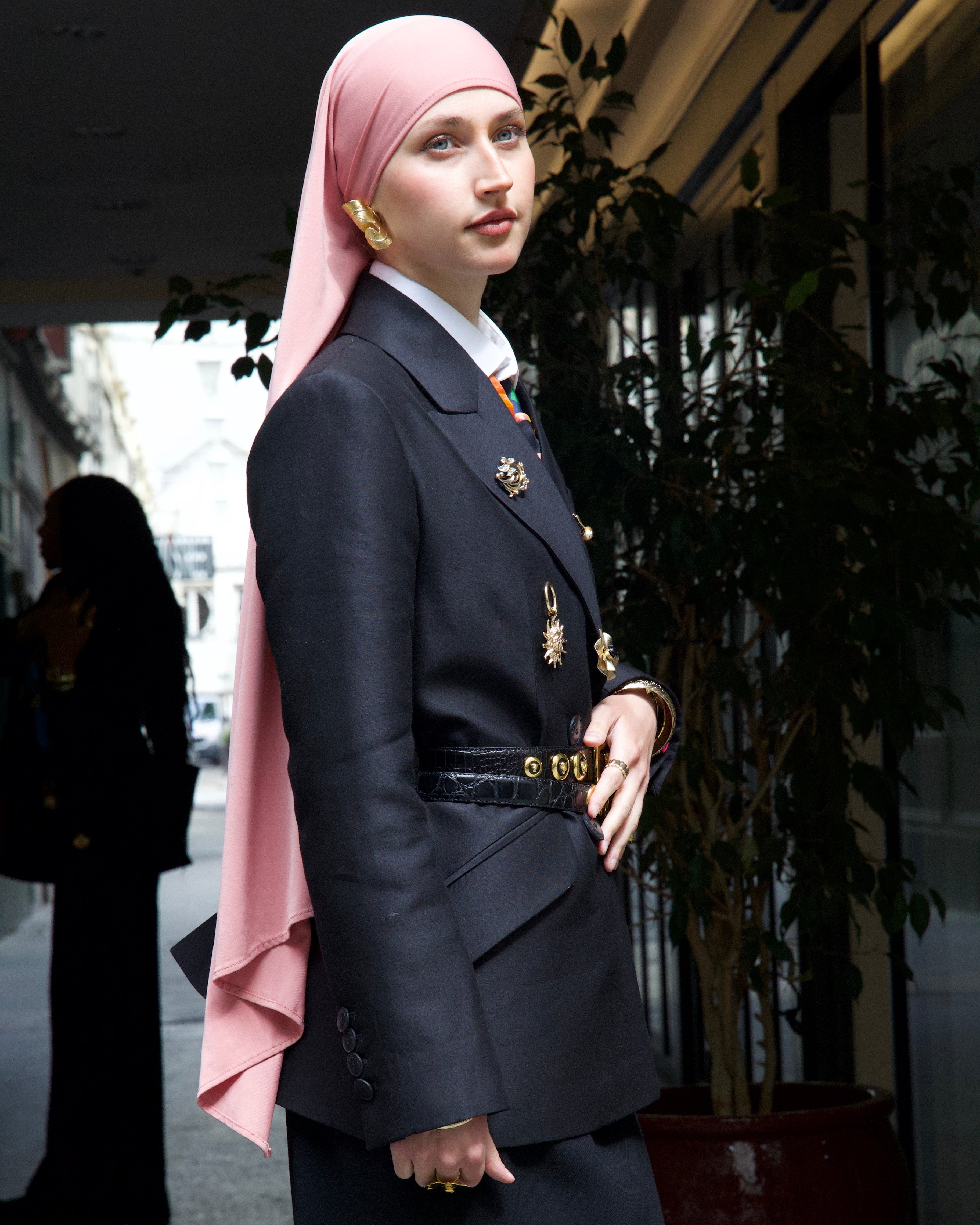
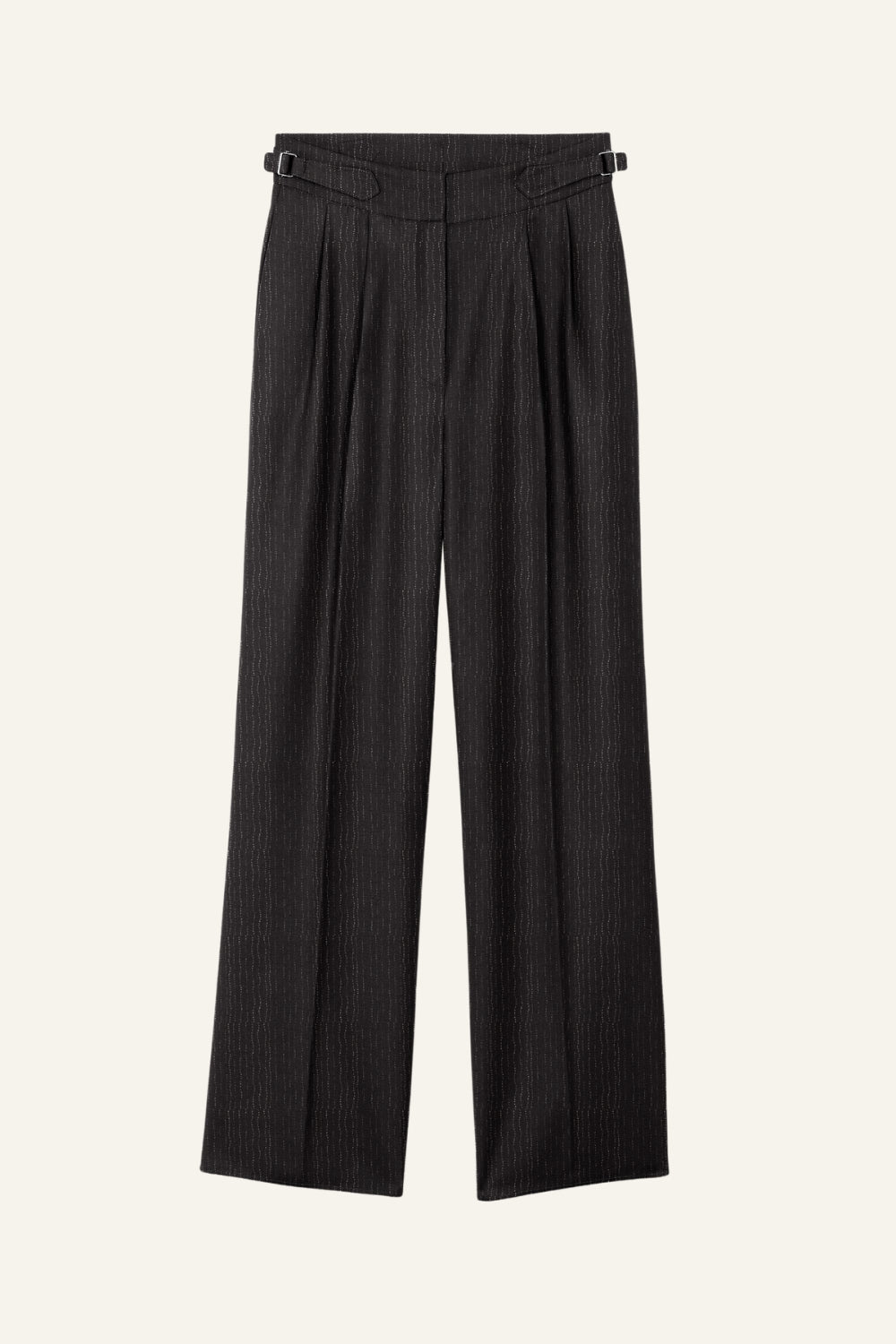
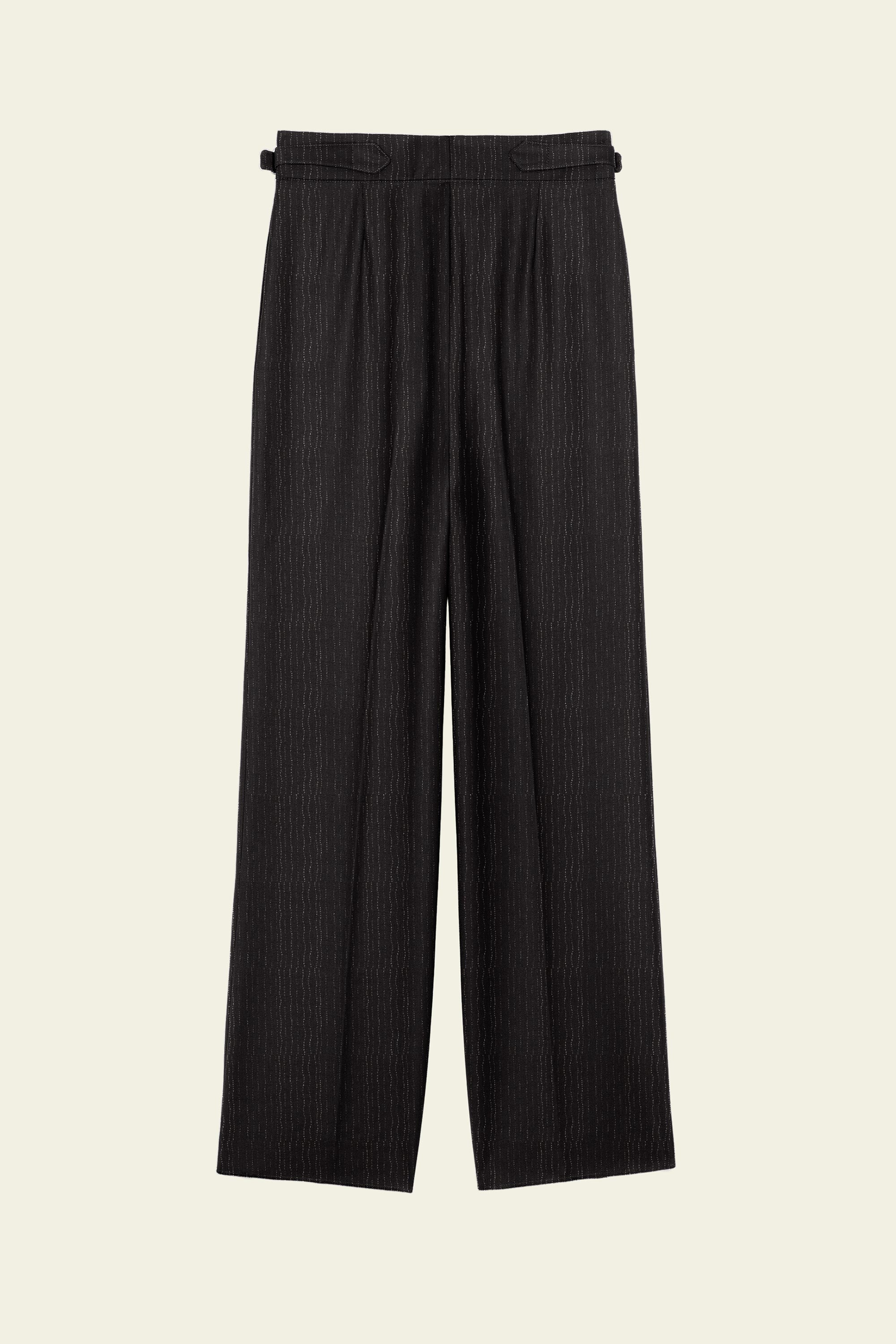
Scarlet Empyre designs fashion for women in motion: those who rise against the status quo. Whoever you are and wherever you come from: raised in a “good family”, daughter of immigrants or blue collar workers, Scarlet Empyre tells your story, one piece at a time. Our collection embodies your strength, your independence and above all the audacity you have to constantly push boundaries and nail doors open for others.

the mission : be ourselves, and win, unapologetically
Scarlet Empyre's mission is crystal clear: to make women, and especially racialized women, visibly successful. Emphasis on visibly. As a daughter of immigrants, I know what it means to go places you weren't expected, to build something in a system that wasn't designed with you in mind and constantly be reminded that you don't belong. So I built Scarlet Empyre from the outside in, for every woman who's tired of asking for permission — or worse, forgiveness — to just be herself.
A lot of the advice I’ve gotten since I started has been about being careful not to sound too angry, too bitter, too vindictive. As if saying “hello, we too exist and have a voice and want to be heard and be seen” is already too much of a transgression. Not to mention inelegant. After all, if you have to try so hard to get any attention, do you really deserve it?
So I am angry. I am bitter. I am vindictive. And I am fighting back.
My mom always says “if we want to change things we have to take up space. We have to be everywhere." Like water seeping through concrete, we must find every crack, every flaw, every tiny air hole that will help us break open these walls, and bring others with us.
I’m going the fashion route because of its prescriptive nature: through ads, magazine spreads, ecommerce images and billboards, fashion brands tell us who matters, who deserves representation, who's aspirational and who's second class. The spotlight it shines on the chosen few renders everyone else invisible, maybe even worthless.
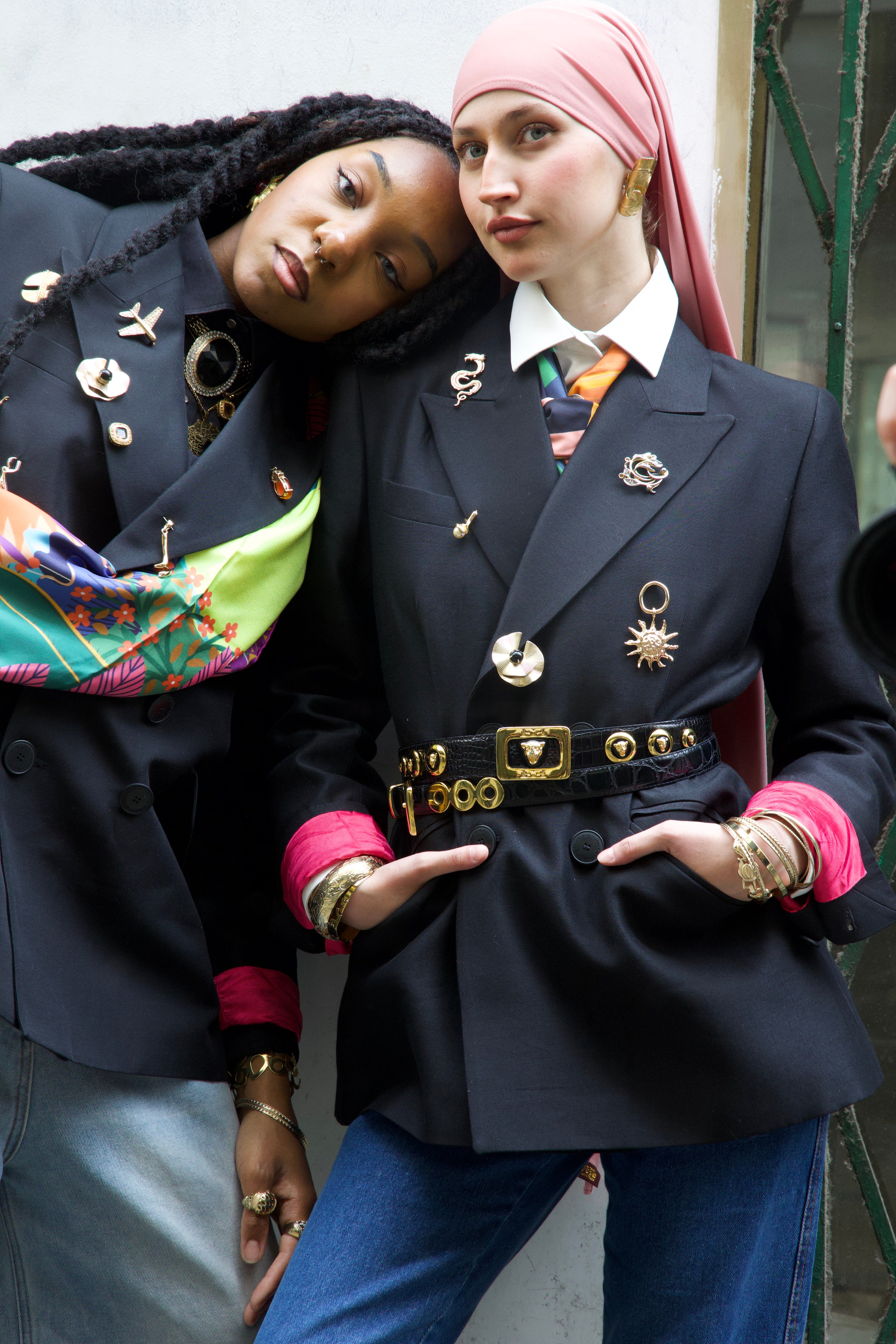
With Scarlet Empyre, I rewrite the rules. I put the spotlight on those of us who never get seen so you can go on fighting your battles knowing that you are not alone.
the name : Scarlet Empyre
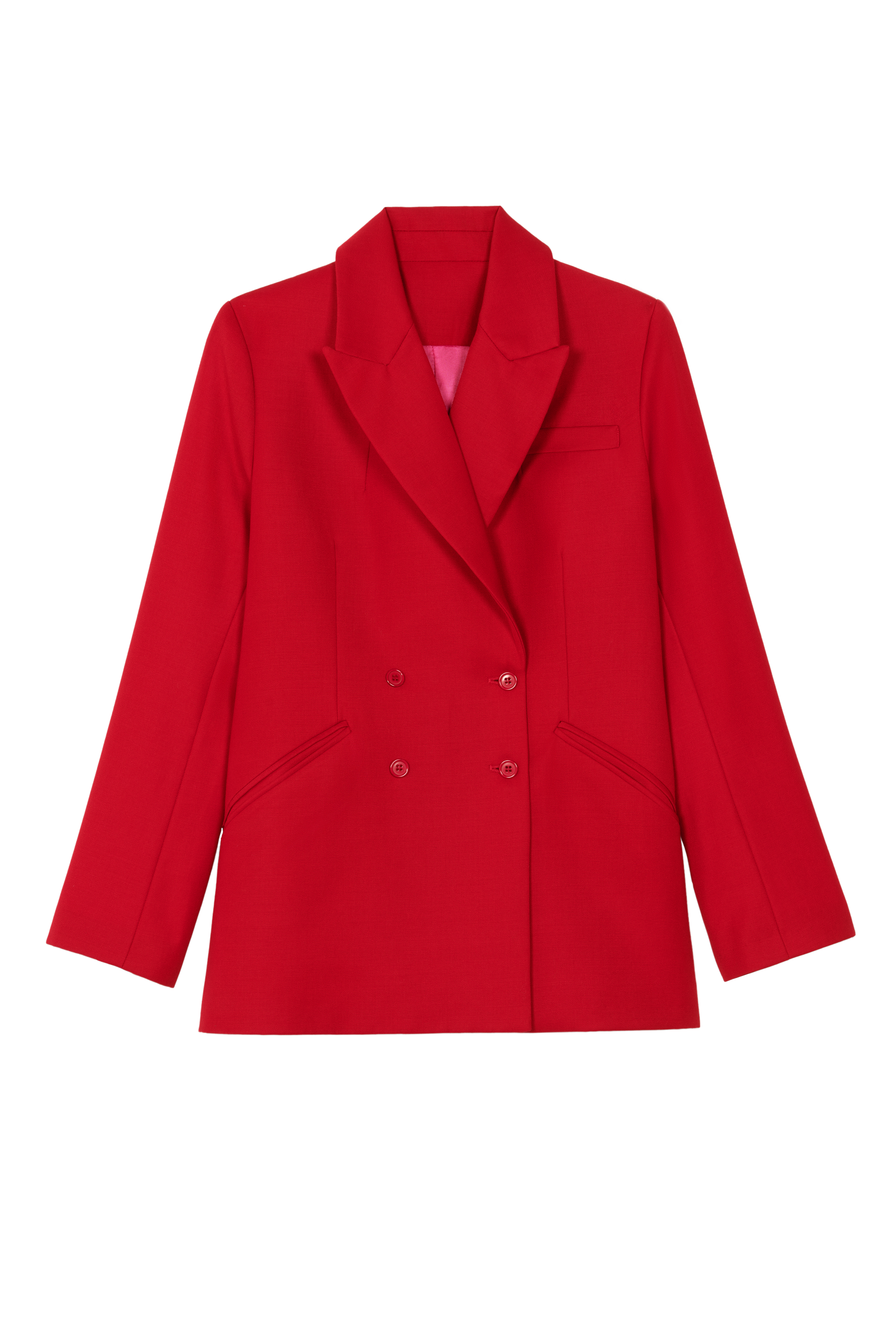
Scarlet is a word that feels like me. It's travelled from the Arabic word 'Skilit' — the red dye used to dye silks in antiquity — to Persian, Latin, French and English where it came to designate the red wool noble families wore to signify their power and wealth. But for me Scarlet is the color of audacity, freedom and determination.
Empire is the answer to the question “where do you really come from?” (iykyk) Imperialism is where I come from and it's our collective heritage, for better and mostly for worse. We don't get to chose where we come from, but we get to chose where we go from there.
That’s why I spell “Empyre” with ‘y’, in reference to the word ‘pyre’: a funeral fire. It’s a chance to set fire to everything that holds us back and start fresh. Unburdened by what should be, excited to find out what might.
Together, SCARLET EMPYRE is the idea that we can't change the status quo by stripping ourselves bare of our heritage, our language, our culture, customs and traditions in order to fit in. On the contrary, changing the system requires us to be ourselves fully. Own it. Always. And unapologetically.